|
We used to visit Haw Par Villa during Chinese New Year
when we were young. It was a famous place of interest
in Singapore and open free for all tourists.
There were not many places of interest during those days. The Chinese folklore, legends and history in the Haw Par Villa drew our attention very much. We were very exciting in visiting the park. Haw Par Villa, originally called "Tiger Balm Gardens", was constructed in 1937 by the brothers Aw Boon Haw and Aw Boon Par. It was maintained by the Aw family and open to the public free. The park was managed by a company in 1986 and converted into an amusement park "Dragon World". When the "Dragon World" was open in 1990, the entrance fee made us not to visit it anymore. In 1997, the entrance fee was reduced from S$16.50 to S$5.00 for an adult and from S$10.50 to S$2.50 for a child. But it did not attract us anymore. The "Dragon World" was then closed in March 2001.
Haw Par Villa is open free now, but it was not that crowded as many years ago.
When can we see Haw Par Villa as popular as during our childhood days? |
 These are the buses bring you to Haw Par Villa |
 What you will see once you alight the bus |
 Admission is Free |
 The entrance |
 Opening Hours: 9 a.m. to 7 p.m. |
 Points to observe |
 |
 |
| let us learn from | the Haw Par Spirit |
| Enduring hardship and be Hardworking | When you drink water, think of its source (Be grateful) |
 Arch at |
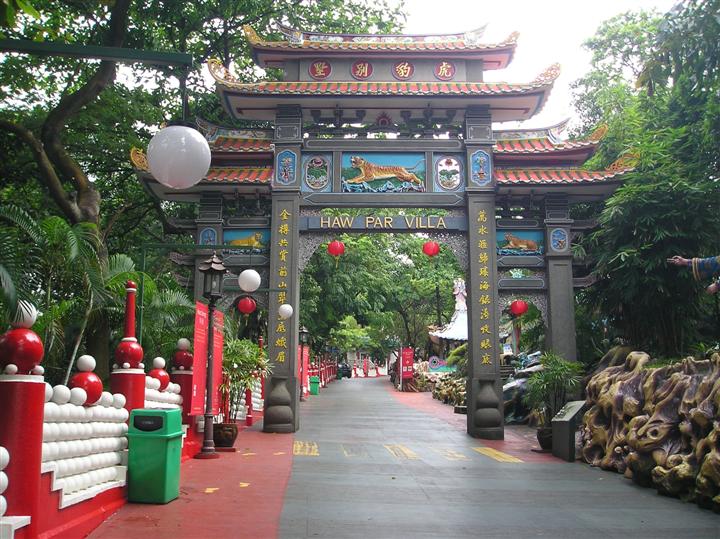 the entrance |
 Unique balustrade |
 Our childhood memory |
 Guide of the Park |
 Give advice to those who are lost |
Round the World
 Sumo |
 Thai dance |
 Statue of Liberty |
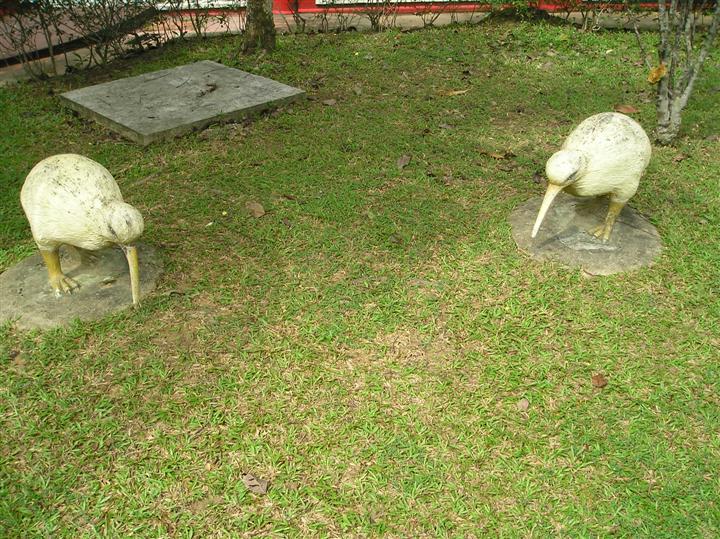 Kiwi |
 Ostrich |
 Koala |
 Kangaroo |
 Gorillas |
 Crocodile |
| Chinese History | and Culture |
 Lin Zexu (1785-1850) Chinese National Hero (Opium Wars) |  Confucius - Chinese philosopher |
 Sworn brothers |
 Fu Lu Shou |
 Fu, the God of Good Luck and happiness |
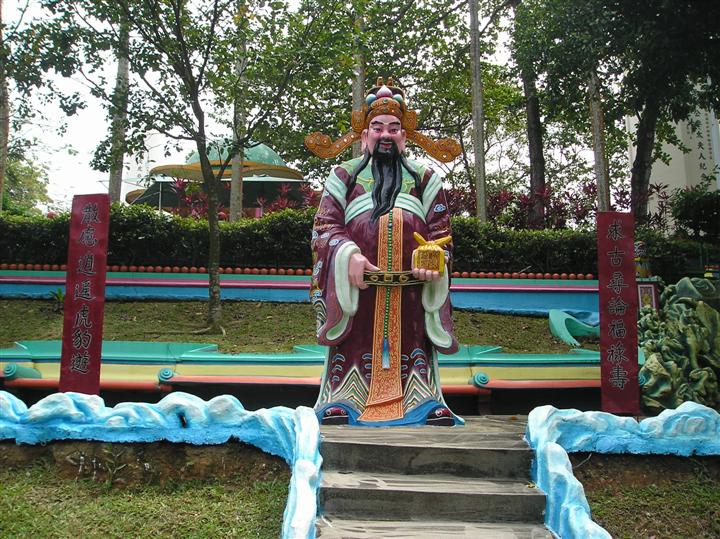 Lu, the God of Wealth |
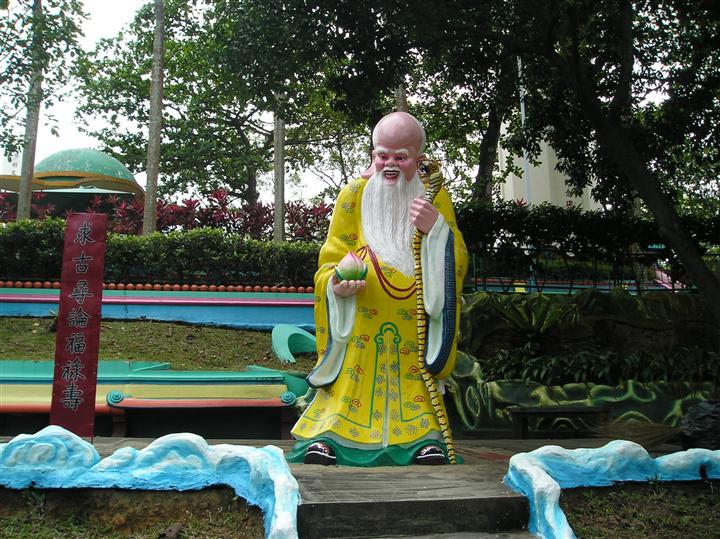 Shou, the God of Longevity |
 Amitabha Buddha |
 Laughing Buddha (Maitreya Buddha) |
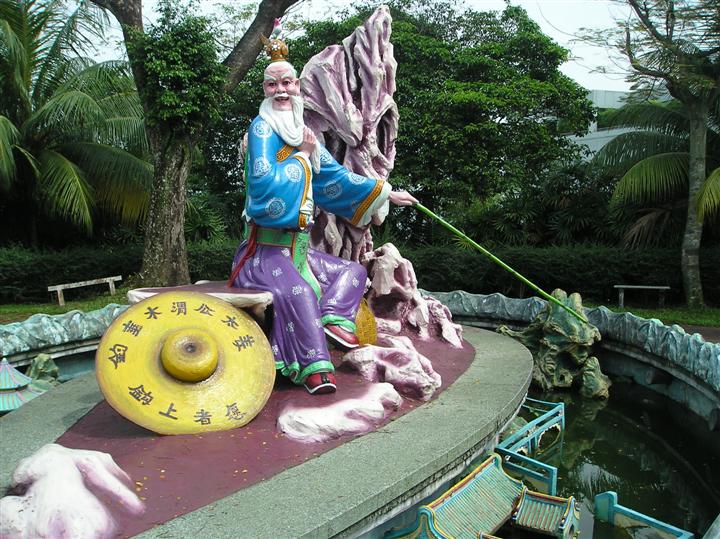 Grand Duke Jiang goes fishing (a willing victim letting himself be caught of his own will) |
 Su Wu, a diplomat and statesman during China's Han Dynasty faithfulness to his mission and his empire. |
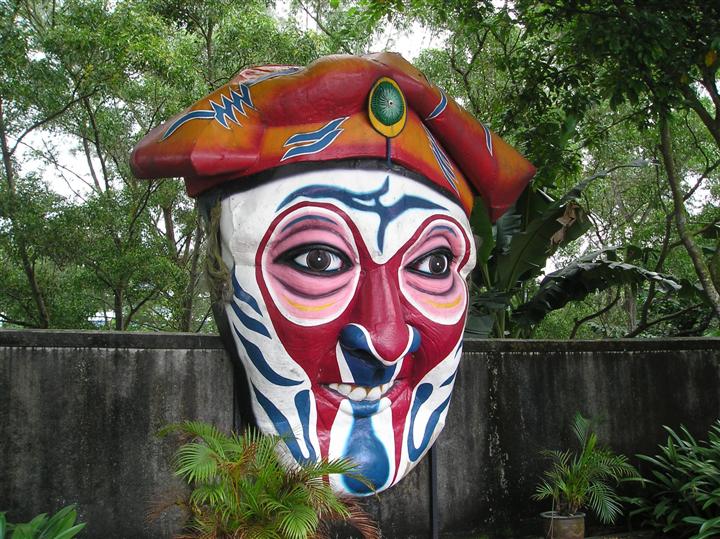
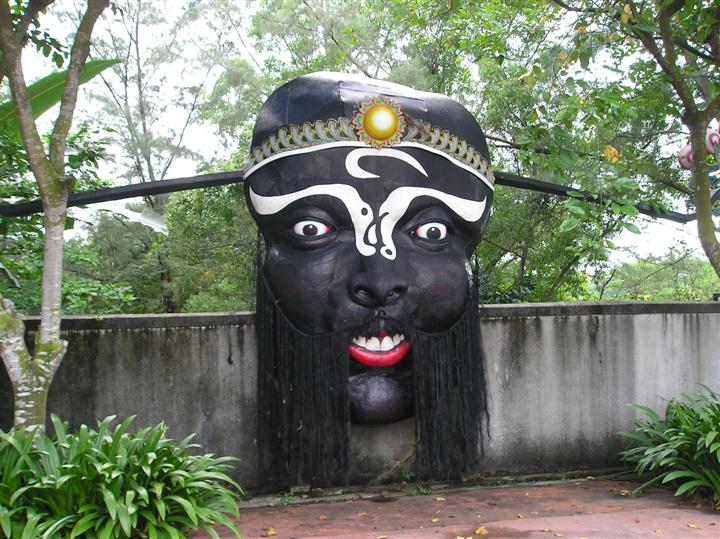
 Acting masks |
 |
 |
 |
 |
 |
 The Nine Dragons |
 |
 |
 Story of Madam White Snake |
 |
 The Eight Immortals crossing the sea (everybody using their talents to achieve a common goal) |
 Two snake maidens use their magical powers to overcome all obstacles standing against between Madam White Snake and her husband |
 |
 The Investiture |
 of the Gods |
 |
| Lessons to | learn from |
 |
 |
 |
 |
 |
 Delivering Winter Clothes by Night |
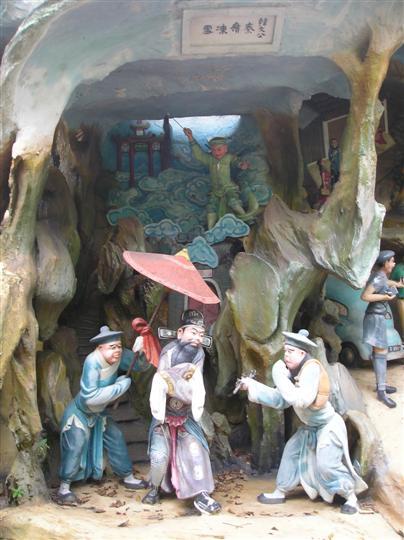 Suffering in snowy weather |
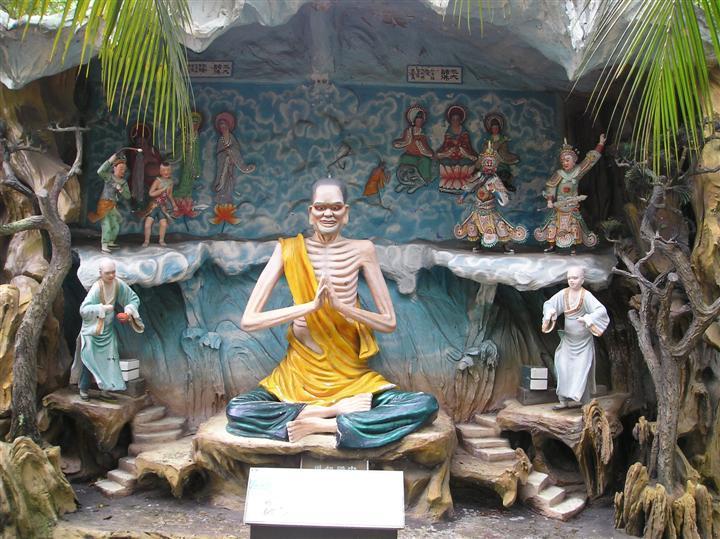 Ling Shan Buddha in Chaozhou |
 Gambling can cost |
 you everything |
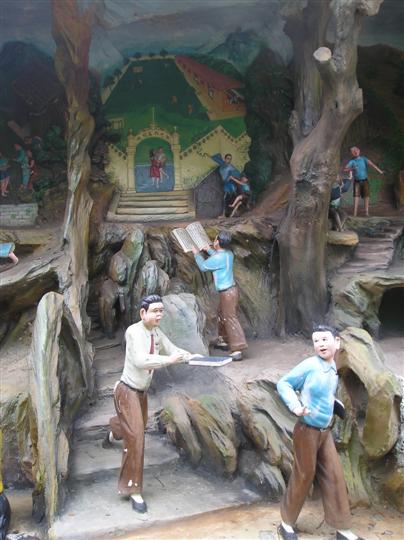 |
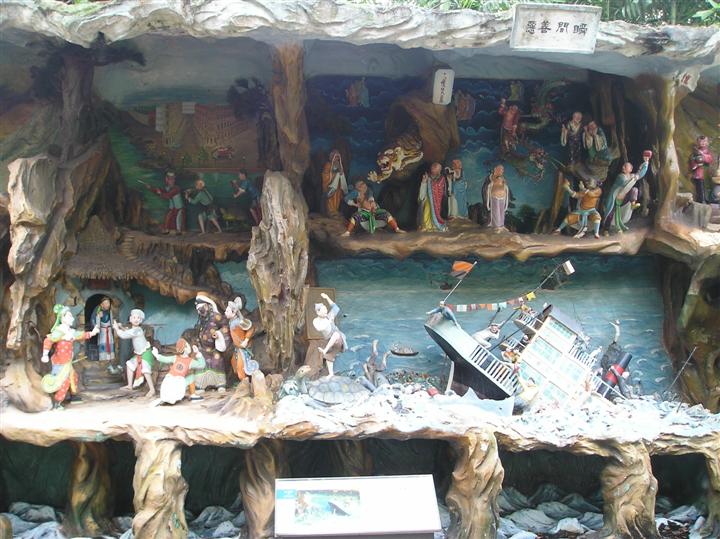
Many lessons to be learnt from the statues There are also explanations in Chinese, Japanese and English. Story of the statue on the left: Xue Qin and Lan San were from the same school in Hong Kong. Xue Qin was hard-working and Lan San was lazy. After graduating, Xue Qin worked as an Accountant in a bank. But Lan San did not go and get a job. When Lan San's father passed away, Lan San had to manage the family business. But Lan San did not know how to run the business and had to request Xue Qin to help. The story reminded us to work hard when we are young and have no regrets.
We learned a lot of lessons every time we visited Haw Par Villa at our childhood.
|
The vanishing street artists
 |
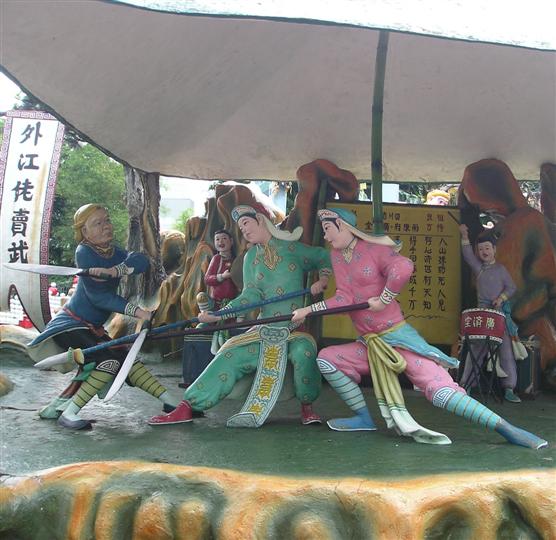 |
 |
The Kingdom of the Monkey God
 Huaguo Shan (Fruit and Flower |
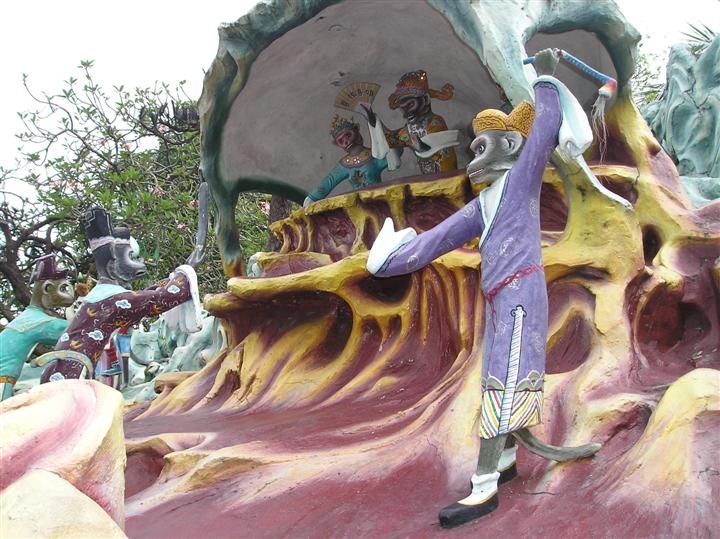 Mountain) where the monkeys lived |
 |
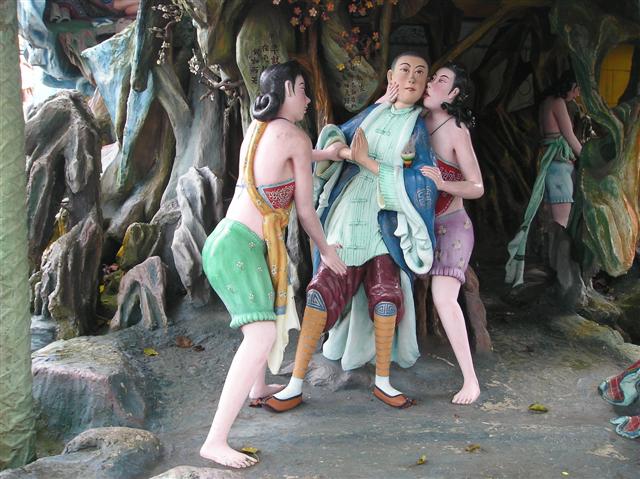 |
Temptation in the Cave Of Silken Web The alluring women tried to tempt Tang Seng, a mum who was on the way to the West to retrieve the Buddhist Scriptures.
"It is a long journey to the West.
|
The Monkey God The story of the Journey to the West.
Sun Wukong was the eldest disciple of Tang Seng. He was a loyal defender of his master in their journey to the West. |
 |
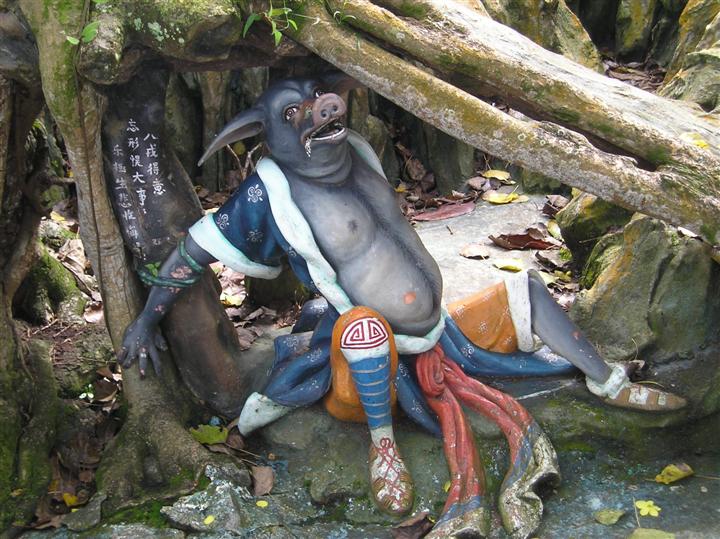 Zhu Bajie, a pig, second eldest disciple |
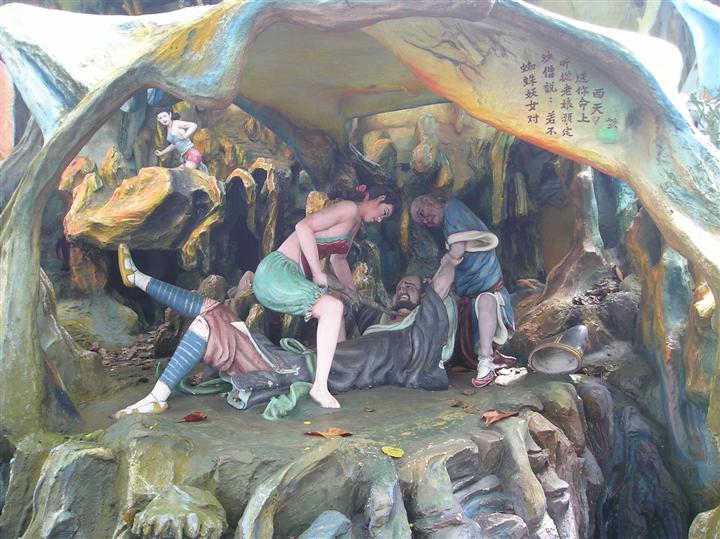 Sha Seng, another disciple |
 Tang Seng's horse, serve the master well |
 Tang Seng |
 Kingdom of Women |
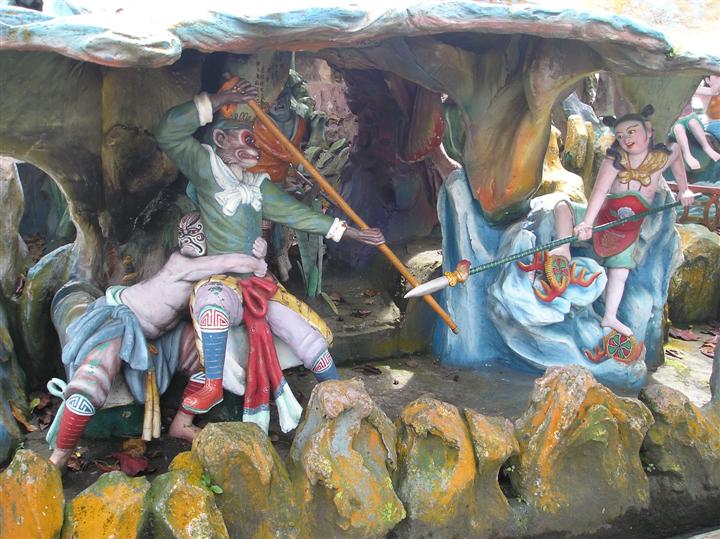 Fighting with Hong HaiEr |
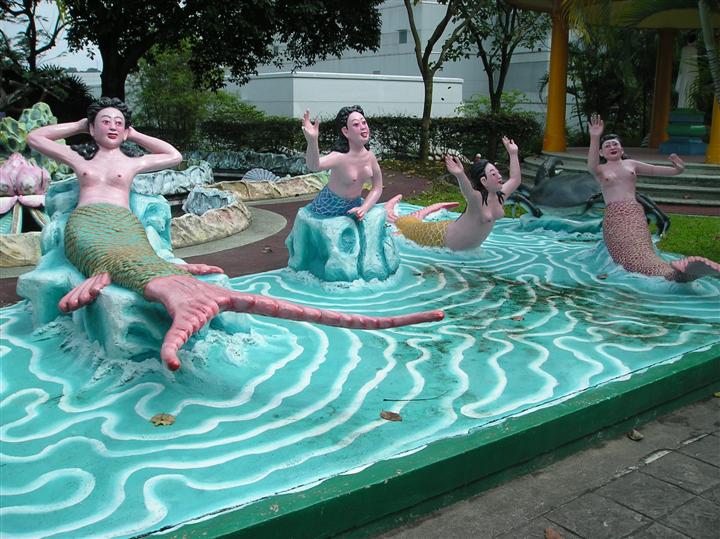 Mermaid |
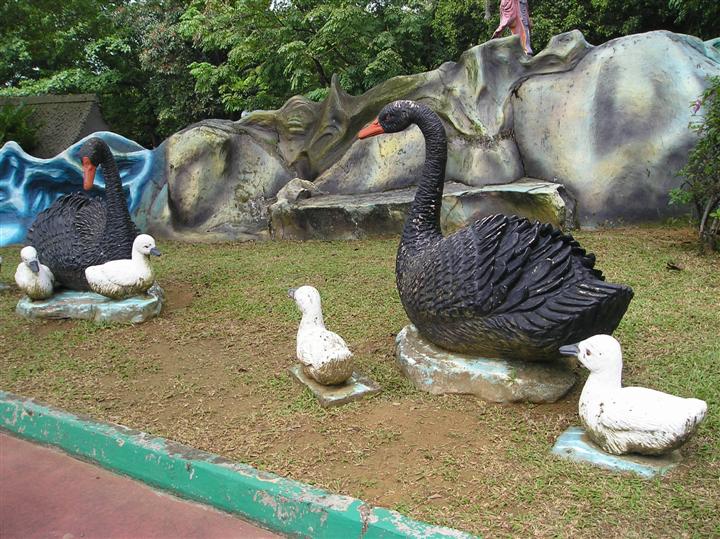 Black Swan |
 Demons in |
 the water |
 Arch |
 |
 Pagoda |
 Pavilion |
 Stele |
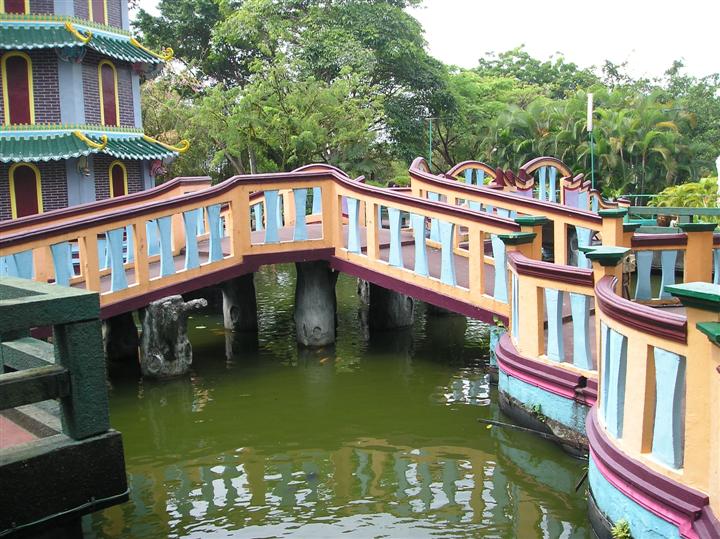 Winding Bridge |
 |
 |
 Haw par |
 Villa |
 Chinese |
 Arts |
 Garden |
 |
 Rockery |
 Nature |
 |
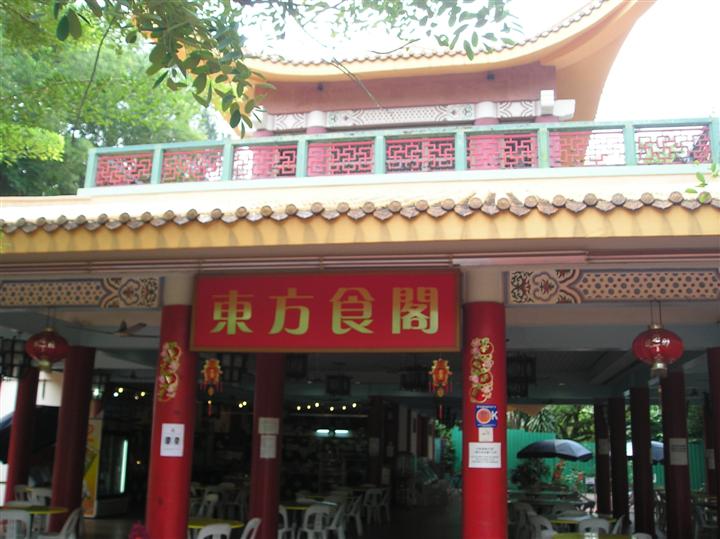 |
| Restaurant? | Food Court |
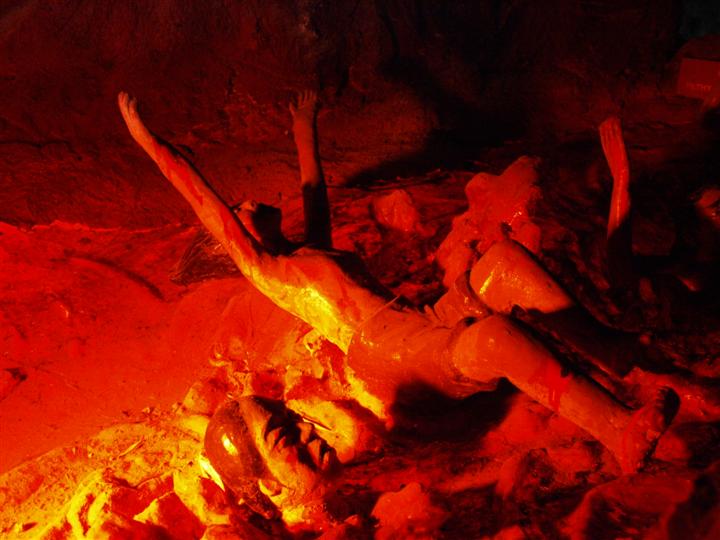
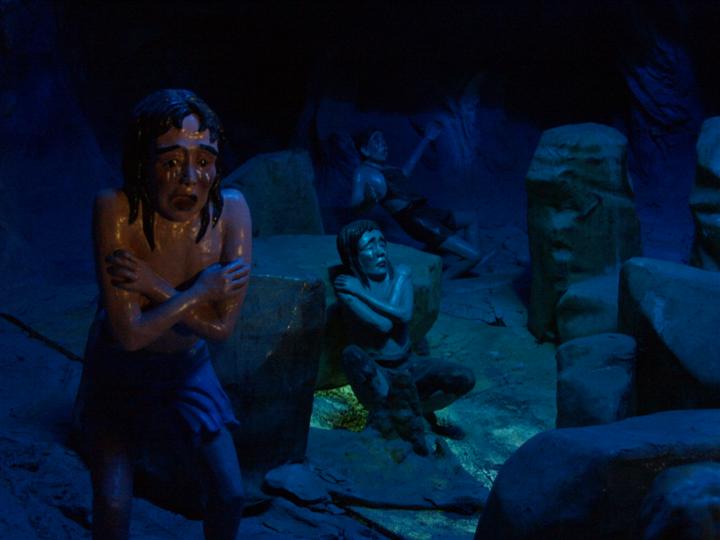
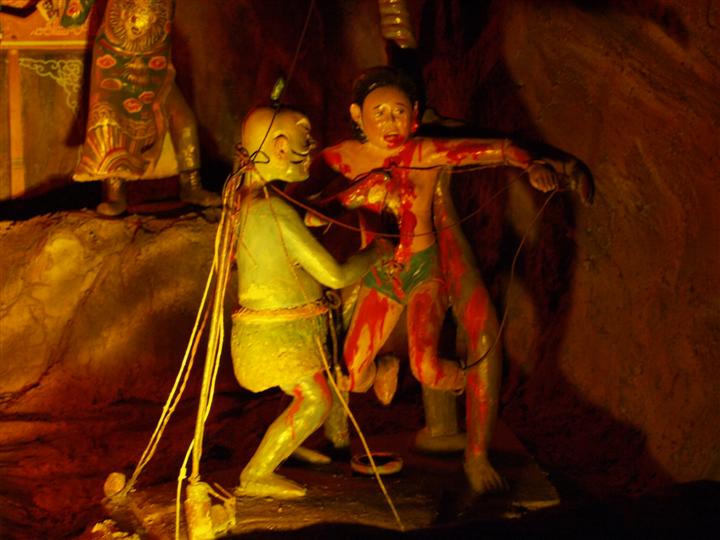
Ten Courts of Hell The only exhibit you need to pay to visit.
Adult: S$1.00 |
 |
 |
Ten Courts of Hell - Photos taken by Solomon
 |
 |
 |
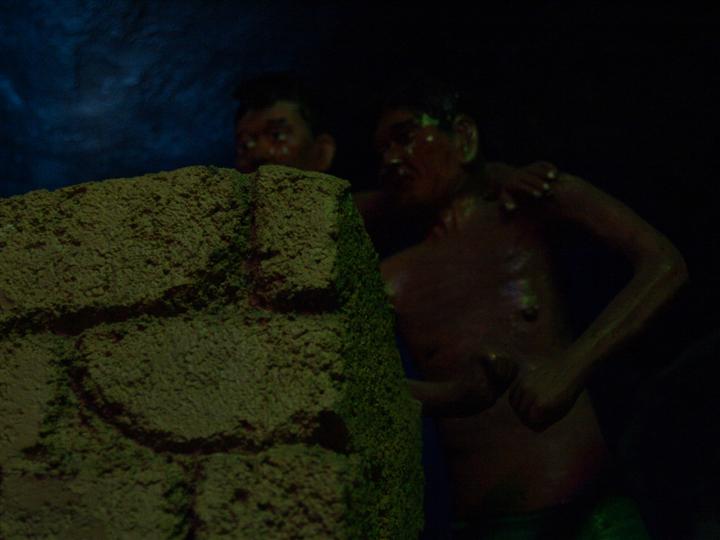 |
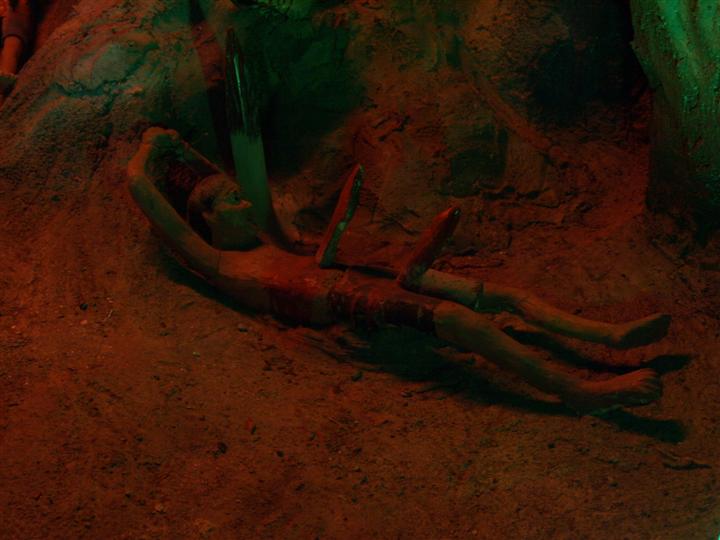 |
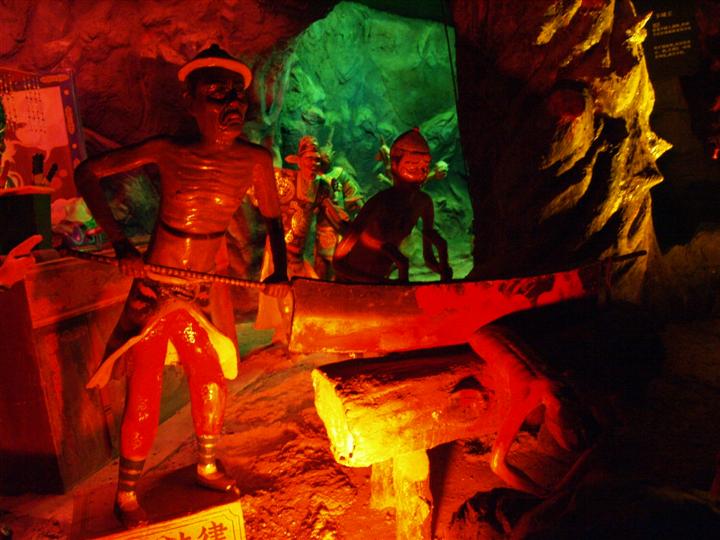 |
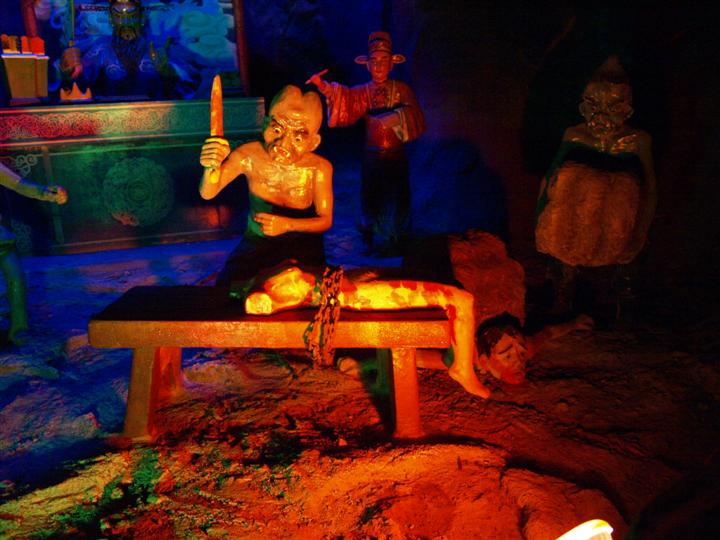 |
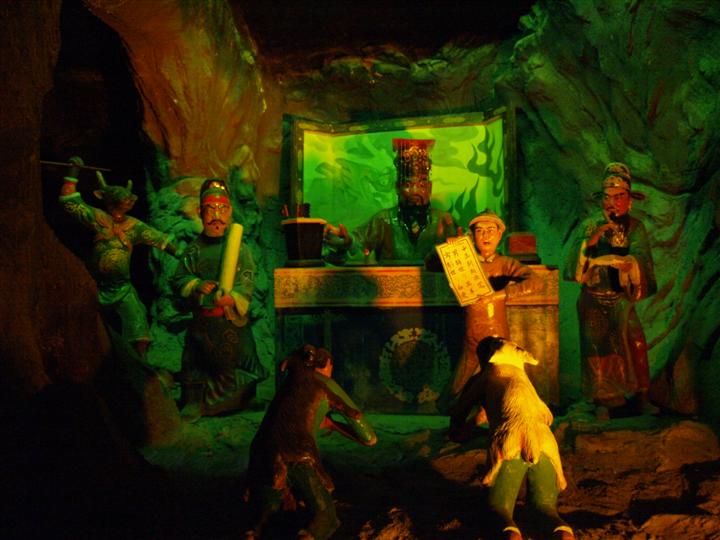 |
| The teaching: | Justice has long arms |

 Aw Boon Haw bought the site of Haw Par Villa to build a house
for his brother Aw Boon Par.
Aw Boon Haw bought the site of Haw Par Villa to build a house
for his brother Aw Boon Par.
The magnificent dome shaped house was situated on the highest point of the hill and it has a panoramic view of the sea. Aw Boon Haw, the flamboyant marketing genius behind the success of Tiger Balm ointment used to drive through these gardens to visit his brother. Aw Boon Haw and Aw Boon Par were born in Rangoon, Burma in the late 1800's. Boon Haw, "Gentle Tiger", and his brother Boon Par, "Gentle Leopard", found an empire based on the discovery of an ointment they called Tiger Balm. Born in 1882, Boon Haw was the second son of Aw Chu Kin and Lee Kim Peck. As a young child, he was always in trouble both at school and with his parents. In their desperation, he was sent to China. When Aw Chu Kin died in 1906, Boon Haw returned to Rangoon. The two brothers used their knowledge of Eastern and Western medicine to start a prosperous herbal remedy business. Boon Haw had a forceful personality and his gift of persuasion with the owners of the medical shops guaranteed the success of their venture. Aw Boon Haw died in 1954 in Hawaii.
Aw Boon Par, the youngest son of Aw Chu Kin and Lee Kim Peck,
was credited with the creative genius that marketed the ointment
Tiger Balm with such flair it brought great fortune to the family.
There are memorials of Aw's family in Haw Par Villa. |
 Aw Boon Haw and Aw Boon Par Memorials |
 Aw Boon Haw Memorial |
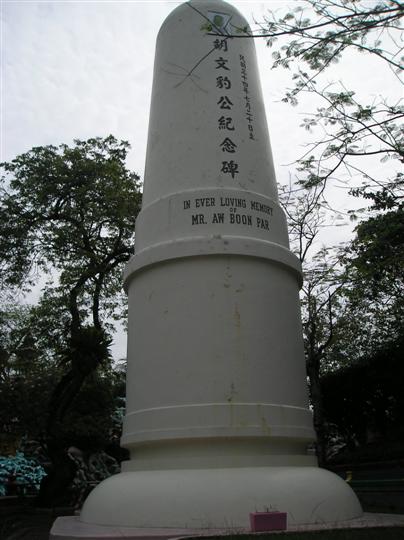 Aw Boon Par Memorial |
 Aw Chu Kin and Lee Kim Peck Memorial |
 Aw Hoe Memorial |
 Tiger Balm |
 Tiger Car |
 Tiger Balm Oil |
17.03.2008~23.03.2008